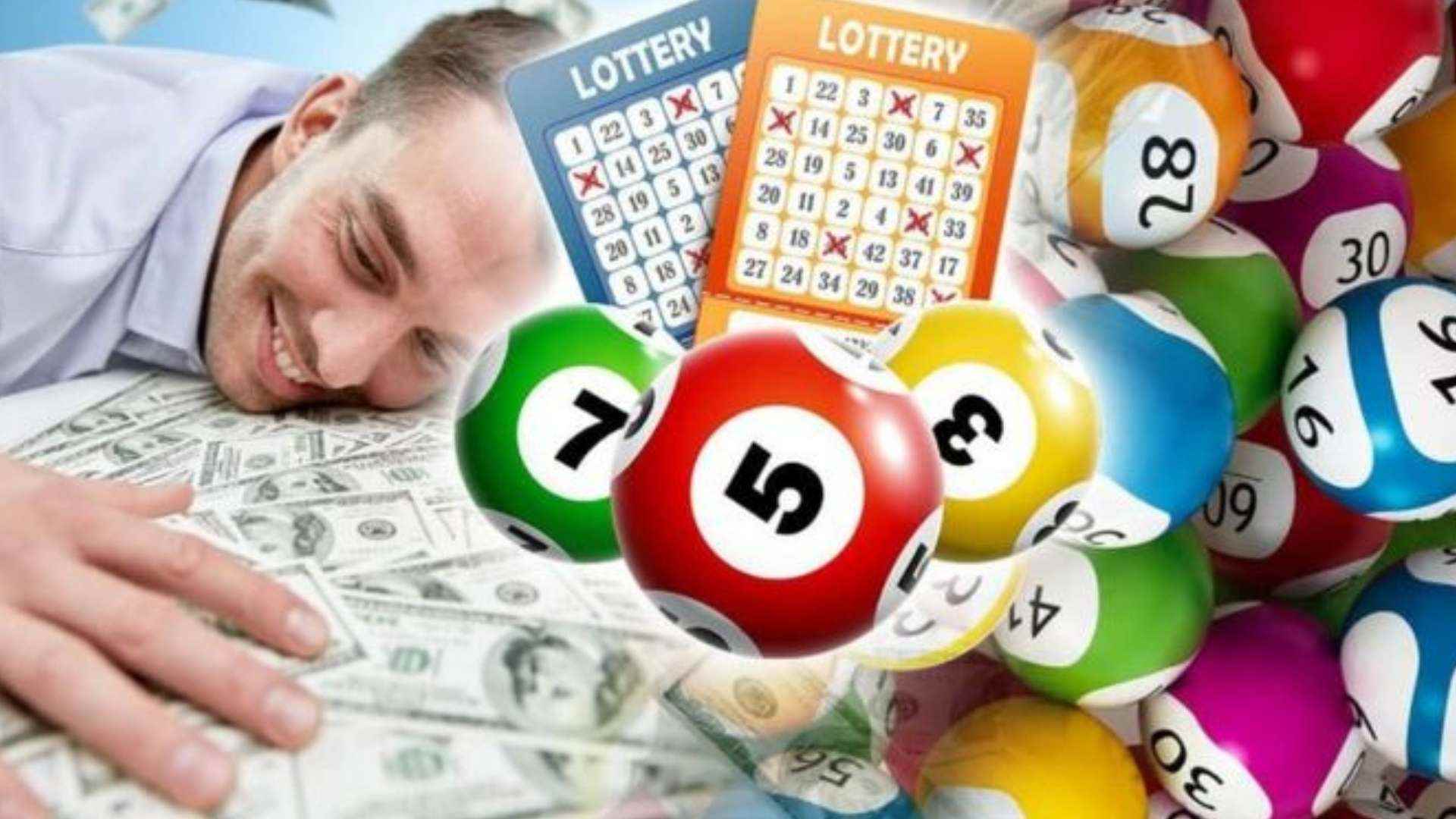
Mastering mathematical probability can often feel like an uphill battle when relying solely on static textbook equations and dry theoretical lectures. However, integrating strategic entertainment with logical education provides a dynamic framework for individuals to grasp statistical uncertainties naturally. By engaging in structured gameplay, learners can shift their perspective from pure luck to calculated risk management.
The Connection Between Logic and Uncertainty
Every dynamic environment carries a distinct degree of hidden uncertainty that requires explicit consideration before taking action. Traditional mathematical approaches often fall short in teaching how real-time variables interact under pressure, leaving many students feeling disconnected. Interactive gameplay bridges this gap by letting players test their logical frameworks against random distributions in a safe environment.
Developing an intuitive grasp of behavioral and statistical patterns requires steady observation across multiple rounds of interaction. Rather than trying to guess a single exact outcome, successful individuals look for recurring fluctuations to evaluate overall risk. This structural approach transforms casual gaming into a practical exercise in modern data analysis and logical thinking.
Shifting from Intuition to Practical Analysis
Many beginners confuse cognitive bias with actual predictability, falling victim to common psychological misconceptions when facing random events. Relying entirely on gut feelings often results in poor choice selection when navigating complex, high-stakes scenarios. By utilizing games that rely on discrete random variables, players can practice adjusting their expectations based on solid empirical results.
For those looking to observe these algorithmic mechanics firsthand, utilizing a dedicated portal like M88 link login can offer valuable insights into random number generation. Watching how digital engines simulate random sequences helps clarify the true relationship between independent events. Over time, this disciplined observation helps minimize personal anxiety when dealing with mathematical uncertainty.
Building Cognitive Flexibility Through Daily Challenges
Engaging regularly with puzzles that feature statistical principles is an exceptional method to maintain mental sharpness and flexibility. Introducing simple modifications to classic dice or card systems forces the brain to continuously update its strategic policies. This constant adaptation trains the mind to process risk variations more effectively in ordinary professional environments.
Educational methodologies continue to evolve rapidly as digital systems introduce more adaptive ways to personalize learning paths. Facing structured problems that scale in difficulty helps ensure that players remain continuously challenged without feeling overwhelmed. Through consistent interactive engagement, the core principles of statistical chance become both highly accessible and deeply rewarding.