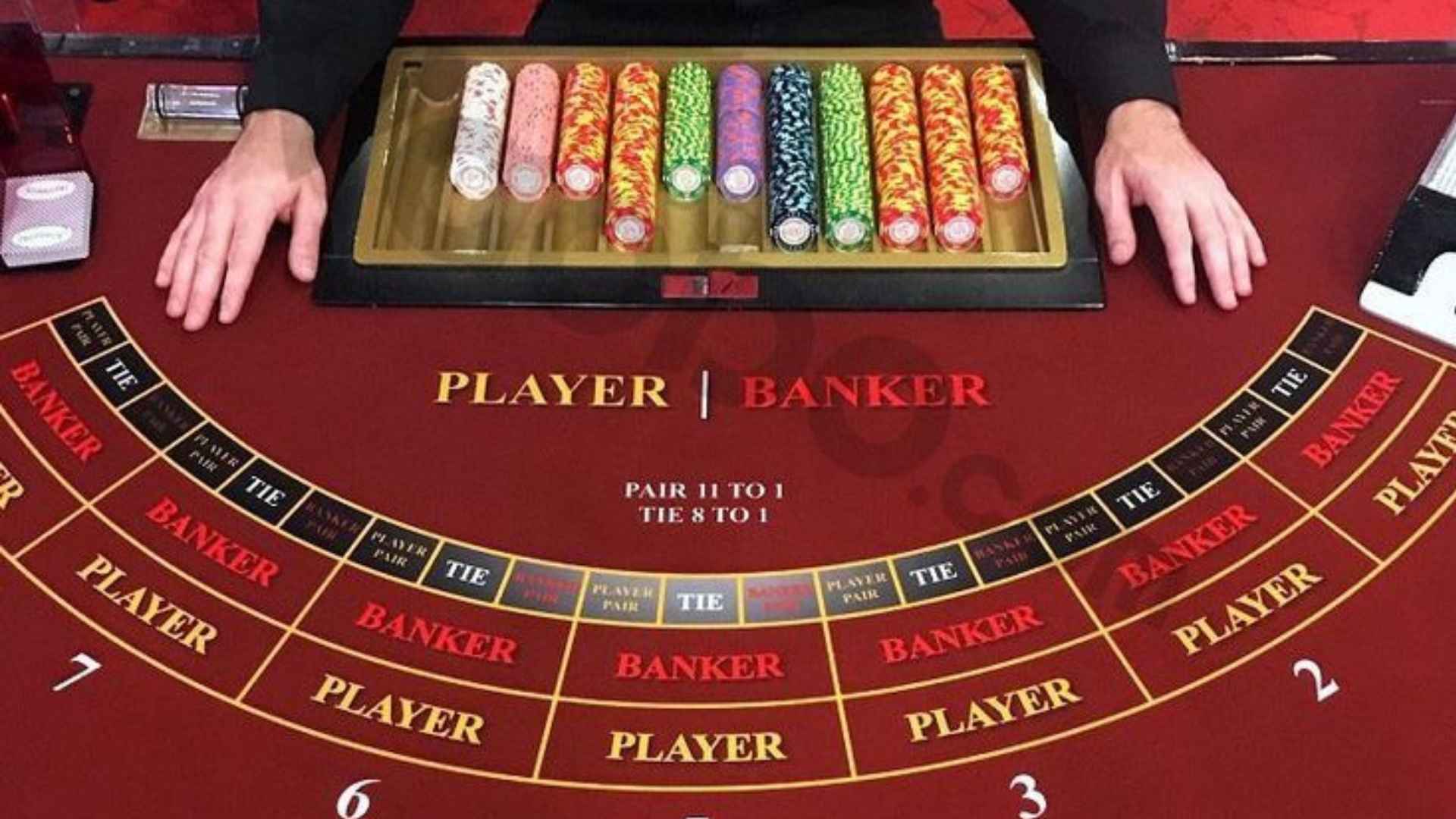
Baccarat stands out as one of the most historically rich table games in the modern casino landscape. While many enthusiasts are familiar with the fast-paced action of standard variants, digging into the global evolution of the game reveals a collection of unique cultural stories. Each variant carries its own distinct background, reflecting the desires and traditions of the players who shaped it over centuries.
The Aristocratic Origins of Chemin de Fer
Chemin de Fer represents the classic French iteration of the game, famously favored by European nobility during the nineteenth century. In this traditional setup, players actively compete against one another rather than playing against the house itself. The role of the banker rotates around the table, introducing a high level of social interaction and psychological strategy to every decision.
This particular version gained legendary status because it allowed participants to make crucial choice decisions regarding drawing a third card. The dynamic nature of the game created an elegant, suspenseful atmosphere that defined premium gambling salons for generations. Understanding this format provides a fascinating window into how the game was enjoyed before modern casino regulations took over.
The Mathematical Efficiency of Punto Banco
As the game migrated across the Atlantic, it underwent a significant structural transformation that led to the creation of Punto Banco. Often referred to as North American baccarat, this version simplifies the gameplay by removing all player choices regarding card drawing. The casino acts as the permanent bank, and the rules dictate every single action based strictly on fixed mathematical values.
This predictability allowed the game to transition smoothly from exclusive high-roller lounges onto the main floors of digital casinos. For players seeking an optimal digital experience with these structured rules, finding a reliable portal via a trusted m88 link 2 ensures access to fair gaming environments. The streamlined nature of this variant makes it incredibly approachable for newcomers who want to focus entirely on bankroll management.
The Shared Accountability of Baccarat Banque
Another classic European style that retains a strong historical legacy is Baccarat Banque, which offers a slightly different structural format. Unlike the rotating bank of Chemin de Fer, the banking position in this variation is much more permanent. Typically, the bank is held by the individual willing to risk the largest initial stake or the player seated at the center of the table.
The banker faces off against two separate sides of the table simultaneously, creating a compelling team dynamic among the other participants. This dual-table layout demands excellent focus and creates an intense competitive environment that is rarely seen in modern variants. Exploring this historic style reveals the deep strategic variety that card players enjoyed in traditional gaming clubs.
The Casual Evolution of Mini Baccarat
In recent decades, casinos introduced Mini Baccarat to make the traditional game less intimidating and much faster for everyday visitors. By scaling down the physical size of the table to resemble a standard blackjack layout, the game became highly efficient. The formal rituals of touching the cards were removed, allowing the dealer to handle all the mechanics quickly.
This version significantly lowered the betting limits, opening the doors for casual enthusiasts to enjoy the low house edge. The relaxed atmosphere and rapid pace have made it a staple attraction across the globe. It demonstrates how a centuries-old pastime can adapt to meet the demands of modern entertainment seekers.