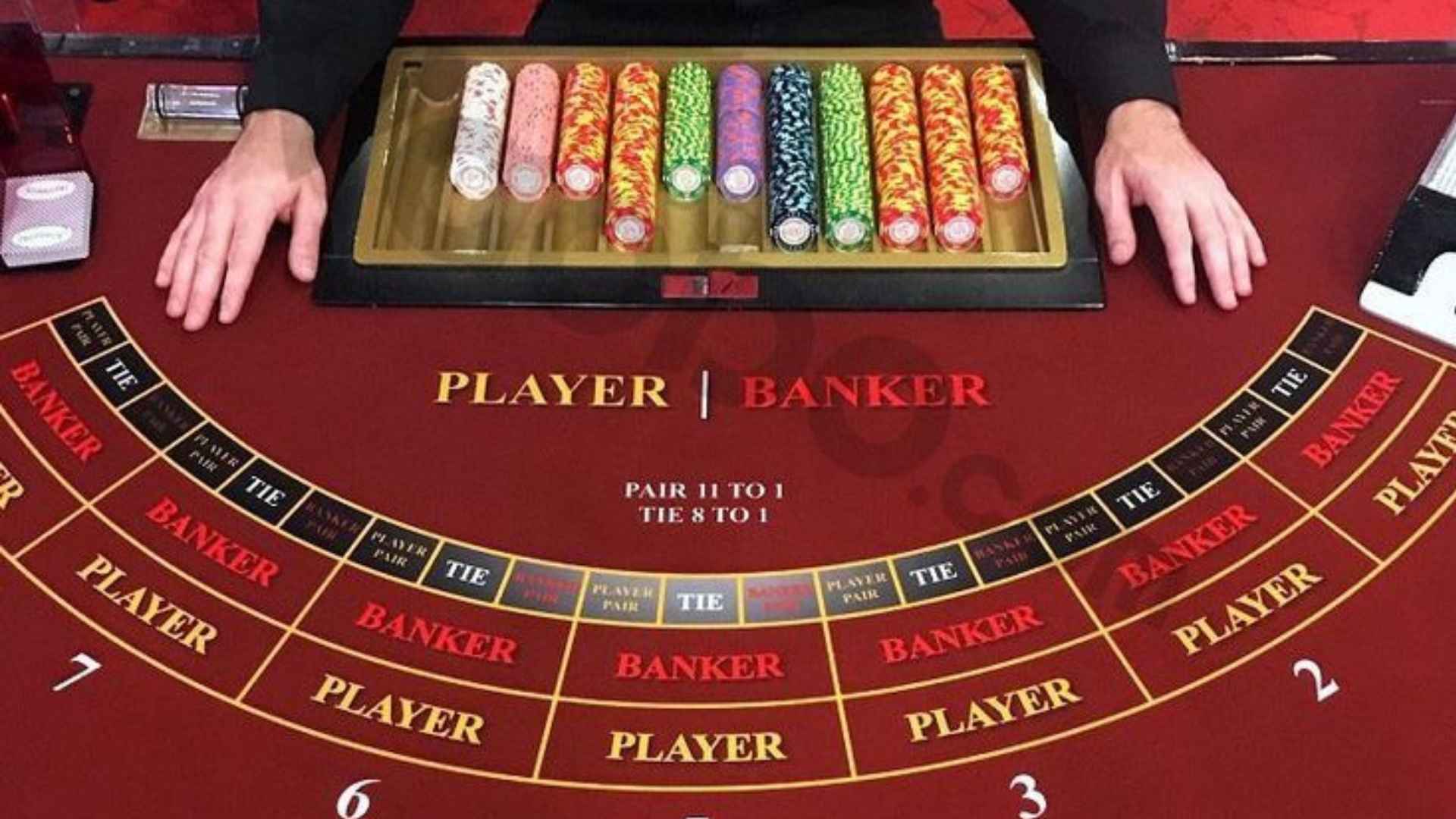
Mastering the mental game of poker requires a profound understanding of body language, timing, and emotional control. True cardroom professionals recognize that executing a successful deceptive play is not about dramatic gestures or reckless chip splashing. Instead, constructing an unshakeable table image relies entirely on projecting a calm, calculated demeanor that forces opponents to question their own mathematical odds.
The Psychology of Subdued Table Presence
When a competitor maintains complete physical composure, their sudden aggressive actions carry significantly more weight. Observant opponents constantly scan the table for minor physiological indicators like erratic breathing patterns or sudden shifts in posture. By remaining completely still and deliberate in your movements, you eliminate the sensory data your rivals need to make an accurate call.
This disciplined approach constructs a formidable narrative that makes your simulated strength highly believable. Erratic players who constantly rely on vocal misdirection or forced confidence often expose their vulnerabilities under intense pressure. Maintaining a quiet baseline ensuring that when you finally choose to raise the stakes, the table reacts with genuine caution.
Analyzing Board Texture and Situational Frequencies
A sophisticated deception cannot succeed on psychological composure alone; it must align logically with the community cards on display. Expert strategists closely evaluate whether the flop, turn, and river cards support the specific hand sequence they are attempting to represent. If your betting line tells a coherent mathematical story, even highly experienced players will find it difficult to justify a risky call.
Position also plays a vital role in executing these calculated maneuvers with minimal financial risk. Acting later in a betting round grants you invaluable insights based on whether the early players check with hesitation or bet with conviction. Players looking to sharpen their strategic awareness in a variety of card settings often utilize tools like the m88 link 2 platform to study shifting table dynamics. Gathering this situational data beforehand ensures your tactical decisions remain grounded in logic rather than emotional guesswork.
Managing Emotional Volatility and Session Longevity
The true test of a player's mental resilience occurs during moments of prolonged variance or sudden chip losses. Many developing competitors make the critical error of forcing a deceptive play out of sheer frustration or a desire for quick revenge. This psychological state, widely known as tilt, clouds analytical judgment and leads to highly predictable betting sizes.
Separating your immediate emotional reactions from your long-term tactical blueprint is essential for sustaining a profitable win rate. Every decision at the table should be treated as an isolated statistical event rather than a personal battle. By embracing patience and waiting for optimal table conditions, you protect your valuable bankroll while keeping your overall strategy entirely unexploitable.