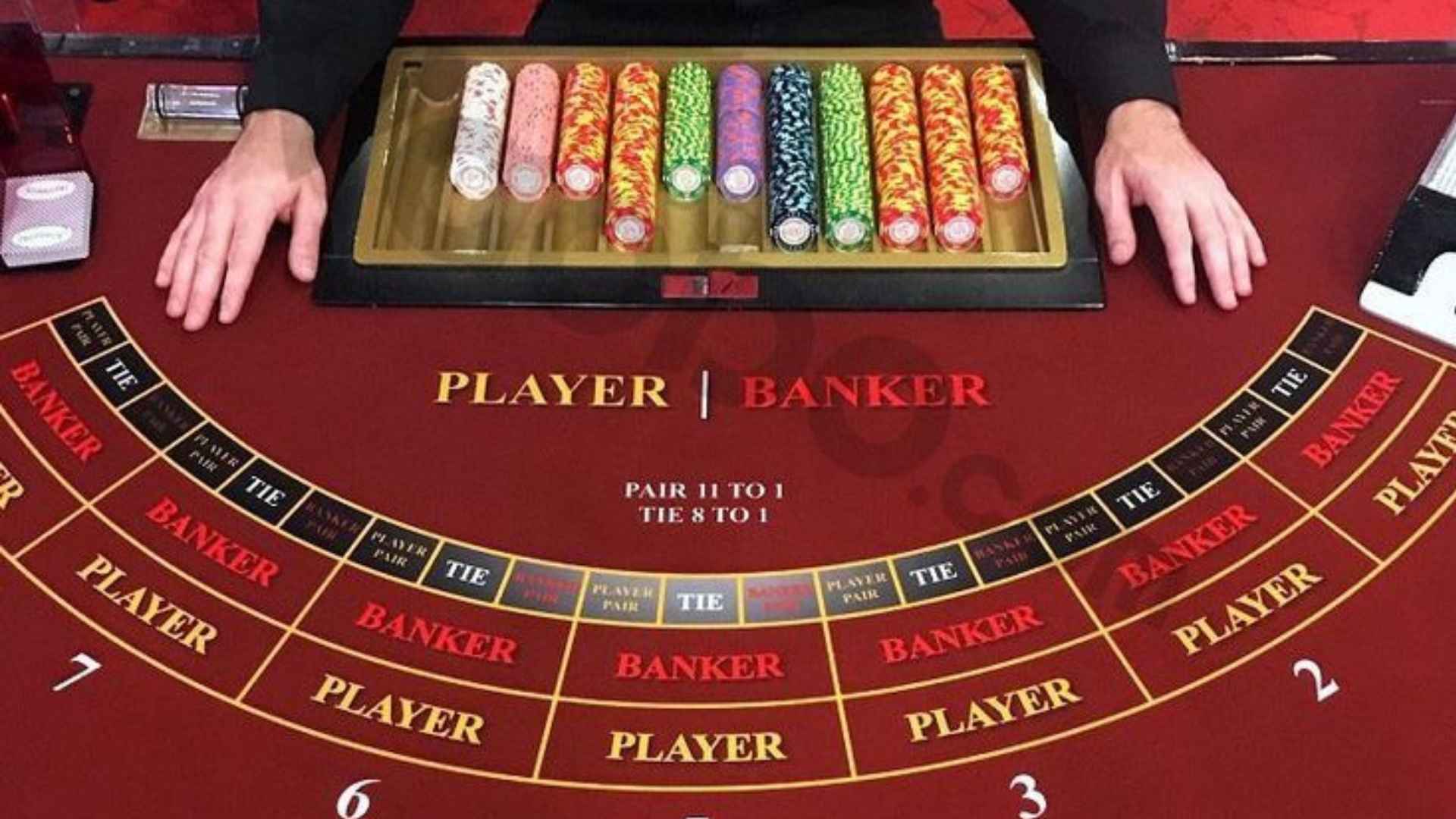
Building confidence in card games is a journey that cannot be rushed, as true mastery develops only through continuous engagement and direct experience. While memorizing basic rules and studying fundamental charts can provide a helpful starting point, applying those lessons under real playing conditions is what truly sharpens a player's intuition. Over time, regular practice transforms hesitation into decisive, strategic play across various card disciplines.
The Role of Exposure in Decision Making
Familiarity with diverse card layouts allows players to recognize recurring patterns much faster during active sessions. When you face hundreds of unique hands, your brain begins to process potential outcomes automatically without causing mental fatigue or second-guessing. This high level of comfort directly reduces the anxiety that often leads beginners to make costly mistakes in crucial moments.
Furthermore, experiencing both unexpected victories and sudden losses teaches players how to remain emotionally balanced regardless of the immediate outcome. Developing this mental resilience is critical because it prevents temporary setbacks from impacting your overall judgment in subsequent rounds. Ultimately, a calm and collected mindset is the greatest asset any card enthusiast can cultivate.
Transitioning from Theory to Practice
Transitioning from passive reading to active participation is the definitive turning point for anyone looking to elevate their skills. Experiencing the natural flow of a live game helps you understand the subtle nuances of timing, pacing, and risk assessment. It is during these practical sessions that abstract theoretical concepts finally transform into reliable, concrete skills.
For those looking to transition their knowledge into practical gaming environments, finding a dependable platform is a great next step. Many modern enthusiasts utilize a secure M88 link login to access a wide variety of digital card setups and refine their strategies at their own pace. This steady exposure helps build the muscle memory and mental stamina required for more competitive environments.
Analyzing Mistakes for Long-Term Growth
True card confidence does not mean playing a flawless game every single time, but rather knowing how to adapt when things go wrong. Reviewing your past decisions after a session concludes is an incredibly effective way to identify specific areas that require adjustment. Recognizing where a choice went off course prevents you from repeating the same error in future matches.
By treating every mistake as a valuable learning opportunity, you take active control of your strategic development. This analytical approach slowly replaces the fear of failure with an eager curiosity to improve your tactical execution. Over time, this constructive habit builds an unshakeable foundation of confidence that remains steady through any layout.