Modern interactive design heavily relies on engagement strategies that keep participants deeply immersed in digital environments. By introducing variable mechanics rather than static systems, developers can craft memorable journeys that continuously surprise their audience. Understanding how these unpredictable structures influence human motivation allows creators to build sustainable ecosystems that thrive over long periods.
The Psychology of Variable Distributions
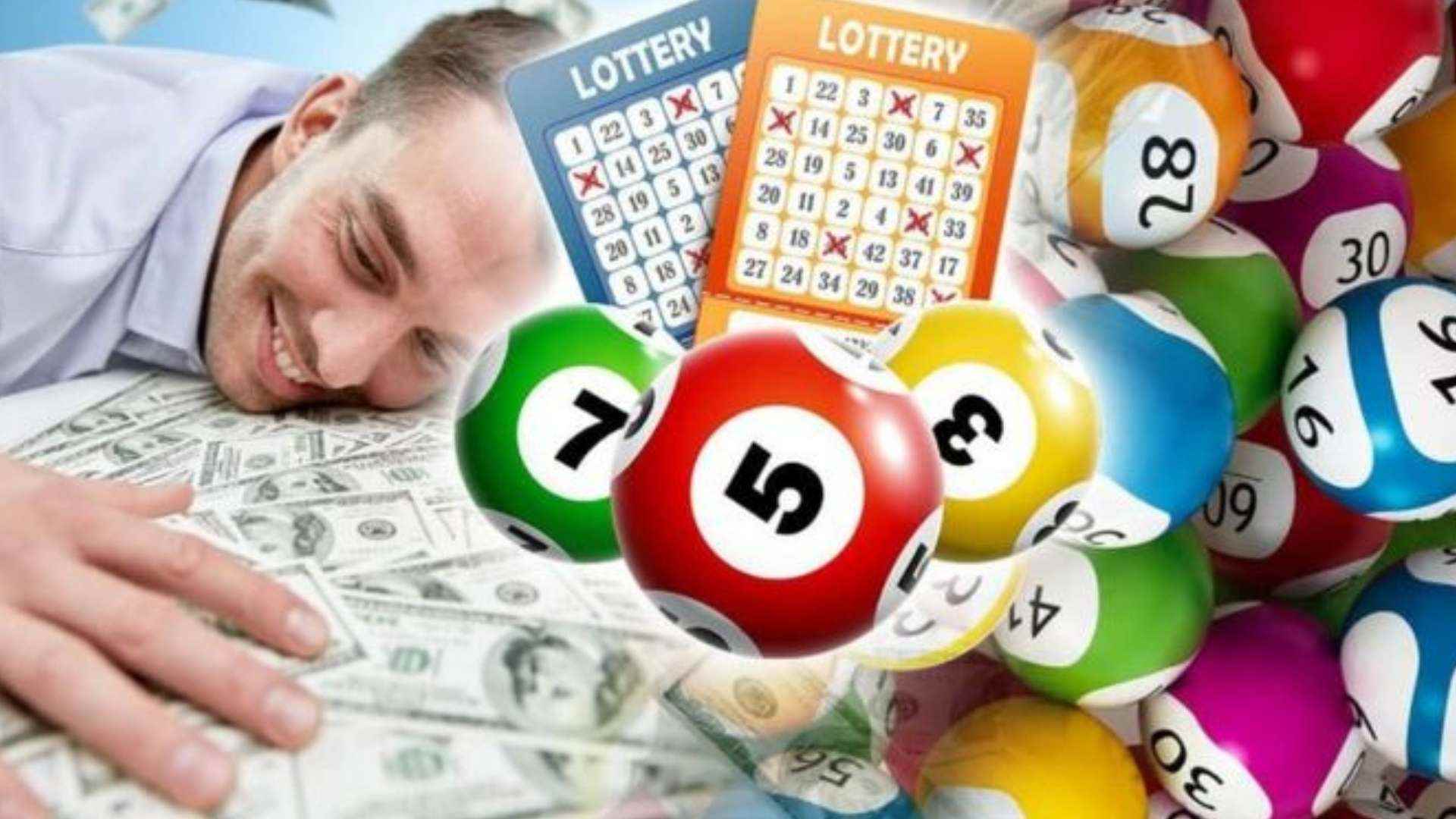
At the core of compelling digital experiences lies the concept of variable reinforcement schedules. When individuals cannot predict the exact timing or value of an outcome, their anticipation heightens significantly. This baseline excitement effectively prevents user fatigue and transforms standard progression milestones into deeply satisfying breakthroughs.
Behavioral psychology shows that fixed pacing often leads to repetitive routines that players quickly abandon. By introducing an element of calculated chance, designers can stimulate curiosity and encourage continuous exploration. The unexpected nature of these drop systems creates a powerful emotional loop that keeps the experience feeling vibrant.
Balancing Fairness and Uncertainty
Implementing successful random mechanics requires a delicate equilibrium between algorithmic chance and visible progression. If the probability of obtaining a meaningful milestone feels completely out of reach, participants can become discouraged. Developers must design clear baseline expectations so that effort always feels recognized and respected within the community.
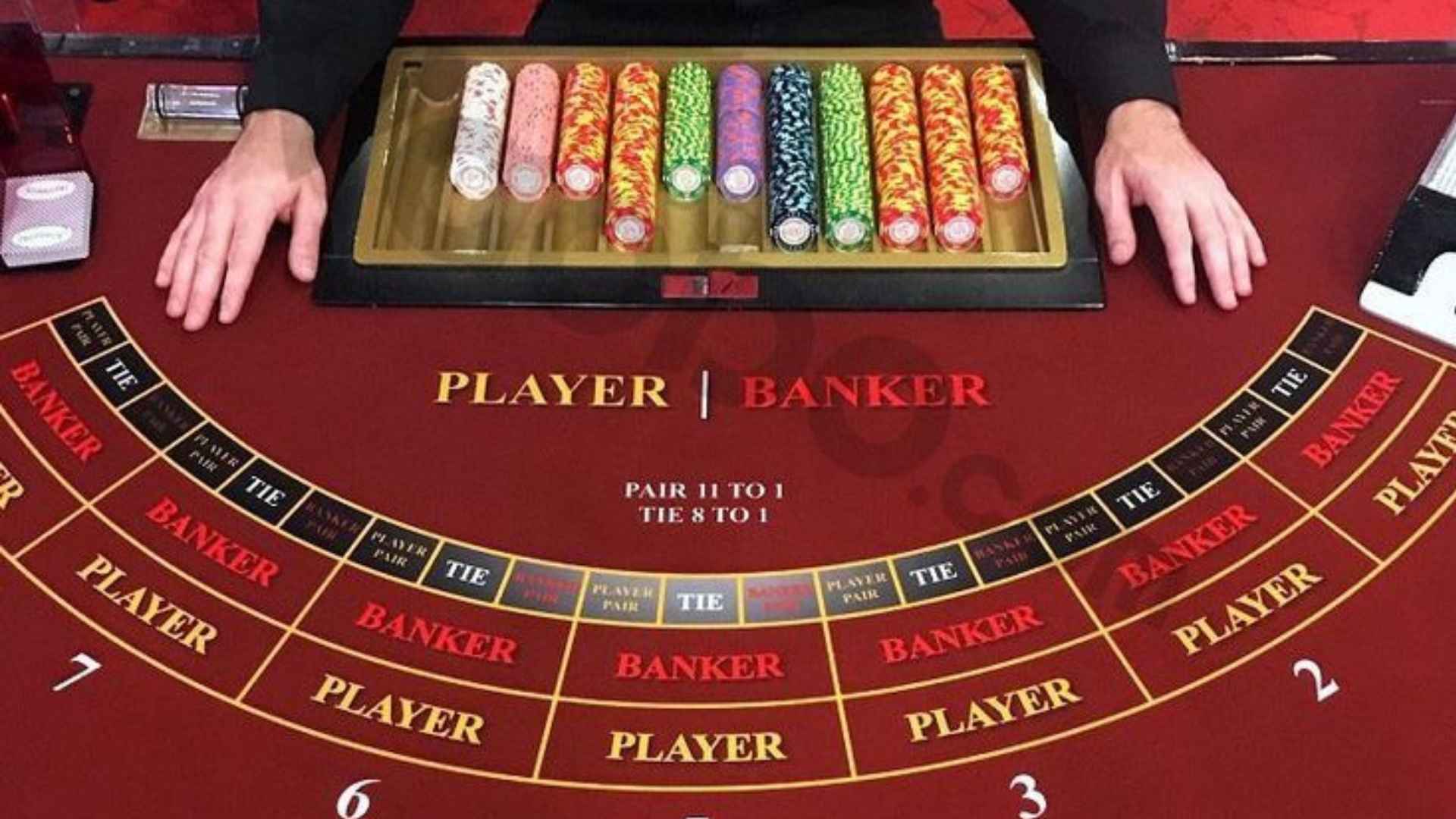
Many contemporary platforms maintain long-term trust by openly communicating their distribution rates to the public. Providing clear transparency allows users to make informed decisions while preserving the genuine thrill of a surprise drop. Those looking for dynamic digital options can check the latest m88 link 2 to observe how modern entertainment frameworks manage probabilistic mechanics safely.
Tailoring Rewards to Diverse Audiences
Different types of participants seek distinct forms of fulfillment when interacting with modern software. While casual users appreciate frequent small surprises that provide immediate satisfaction, hardcore enthusiasts typically demand complex structures. A well-designed distribution model should cater to both archetypes by offering tiered layers of unpredictability.
Combining skill-based achievements with sudden promotional bonuses ensures that every demographic finds value in the system. When a player overcomes a difficult in-game challenge, receiving a randomized secondary item amplifies their sense of accomplishment. This multi-layered approach ensures sustained engagement across entire communities over months and years.
The Future of Interactive Engagement
As digital entertainment technologies continue to evolve, the architecture behind variable distribution becomes increasingly sophisticated. Modern systems are moving toward adaptive frameworks that alter outcomes based on community activity and player preferences. This evolution ensures that interactive media remains fresh, balanced, and highly relevant to changing global trends.
Ultimately, mastering unpredictable mechanics is about enhancing the holistic journey rather than simply driving short-term metrics. When creators prioritize ethical design choices and player satisfaction, random distribution becomes a powerful tool for building loyalty. The perfect blend of steady advancement and exciting surprises will undoubtedly shape the future of interactive design.