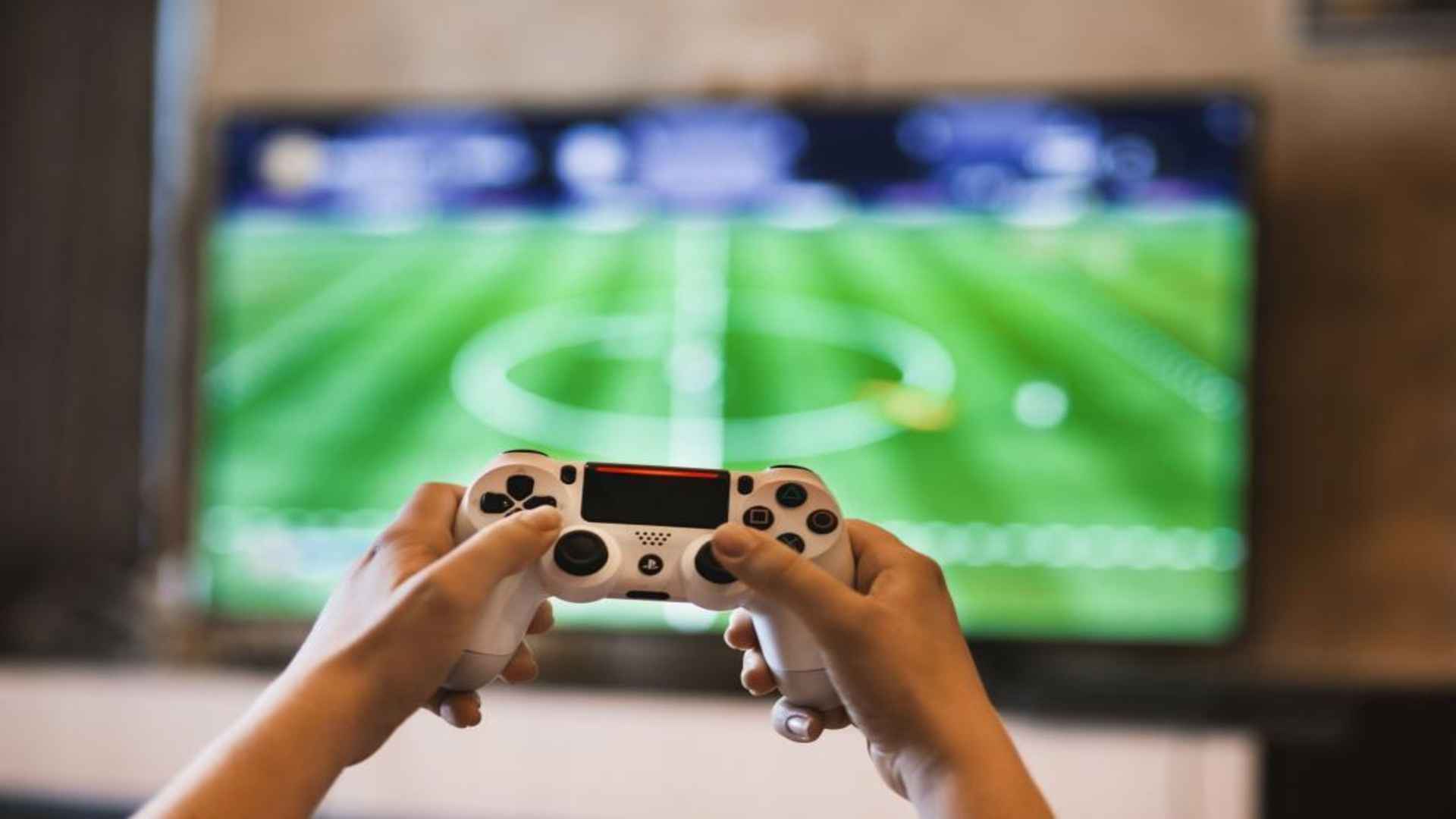
The anticipation surrounding the next-generation hybrid console has brought familiar hardware concerns back into the spotlight for the gaming community. While players are eager for upgraded performance, early discussions frequently focus on whether the new controllers will suffer from the same mechanical flaws as their predecessors. Understanding the underlying engineering of these joysticks is essential for ensuring a smooth gaming experience.
The Core Mechanics Behind Stick Drift
Stick drift typically occurs when a controller registers movement even when the analog stick is completely untouched. In traditional setups, this problem stems from physical wear and tear on the internal potentiometers, which rely on scraping contacts to measure position. Over extended periods of use, tiny debris and electrical degradation corrupt these components, leading to inaccurate directional inputs.
Even with advanced hardware iterations, dust accumulation and microscopic plastic shavings from the thumbstick housing can slip into the delicate sensor arrays. When these particles disrupt the internal connections, the system misinterprets the data as intentional player movement. This continuous degradation remains a primary challenge for engineers trying to deliver durable input devices.
How Magnetic Sensors Provide a Better Solution
To combat the limitations of older designs, many hardware developers are shifting toward Hall effect sensor technology. These magnetic sensors calculate position by tracking changes in magnetic fields rather than relying on physical, scraping contacts. By eliminating direct friction within the mechanism, these components drastically reduce the likelihood of mechanical failure over time.
Implementing magnetic sensor arrays offers a highly reliable alternative that preserves long-term accuracy for competitive gaming. If you want to better understand your joystick drift problem and how next-gen systems handle these design challenges, you can explore detailed diagnostic strategies on specialized hardware forums. Transitioning to zero-contact technology remains one of the most effective ways for manufacturers to guarantee reliable controls.
Software Solutions and Calibration Adjustments
Before assuming a hardware replacement is necessary, players can often resolve minor input discrepancies through system configurations. Modern gaming consoles include built-in calibration software that allows users to reset the neutral baseline of their controllers. This process helps the operating system compensate for minor mechanical shifts that happen naturally during intense gaming sessions.
Increasing the deadzone settings inside specific game menus provides another practical workaround for slight drift issues. This adjustment expands the physical area the thumbstick must move before the console registers any in-game action. While this approach slightly lowers initial responsiveness, it effectively nullifies minor phantom inputs without requiring physical repairs.
Practical Maintenance and Preventive Care
Keeping the controller housing clean is a highly effective preventive measure that any gamer can perform at home. Using compressed air around the base of the thumbstick can dislodge loose debris and dust before it settles into the internal sensors. Additionally, applying small amounts of high-purity isopropyl alcohol with a cotton swab helps dissolve oily residues that accumulate from daily handling.
Storing your gaming gear in dedicated protective cases prevents environmental dust from settling into the mechanical crevices when not in use. Avoiding excessive physical force during chaotic gameplay also extends the operational lifespan of the internal springs and central pivots. Consistent care ensures that your control layout remains responsive and accurate for years to come.