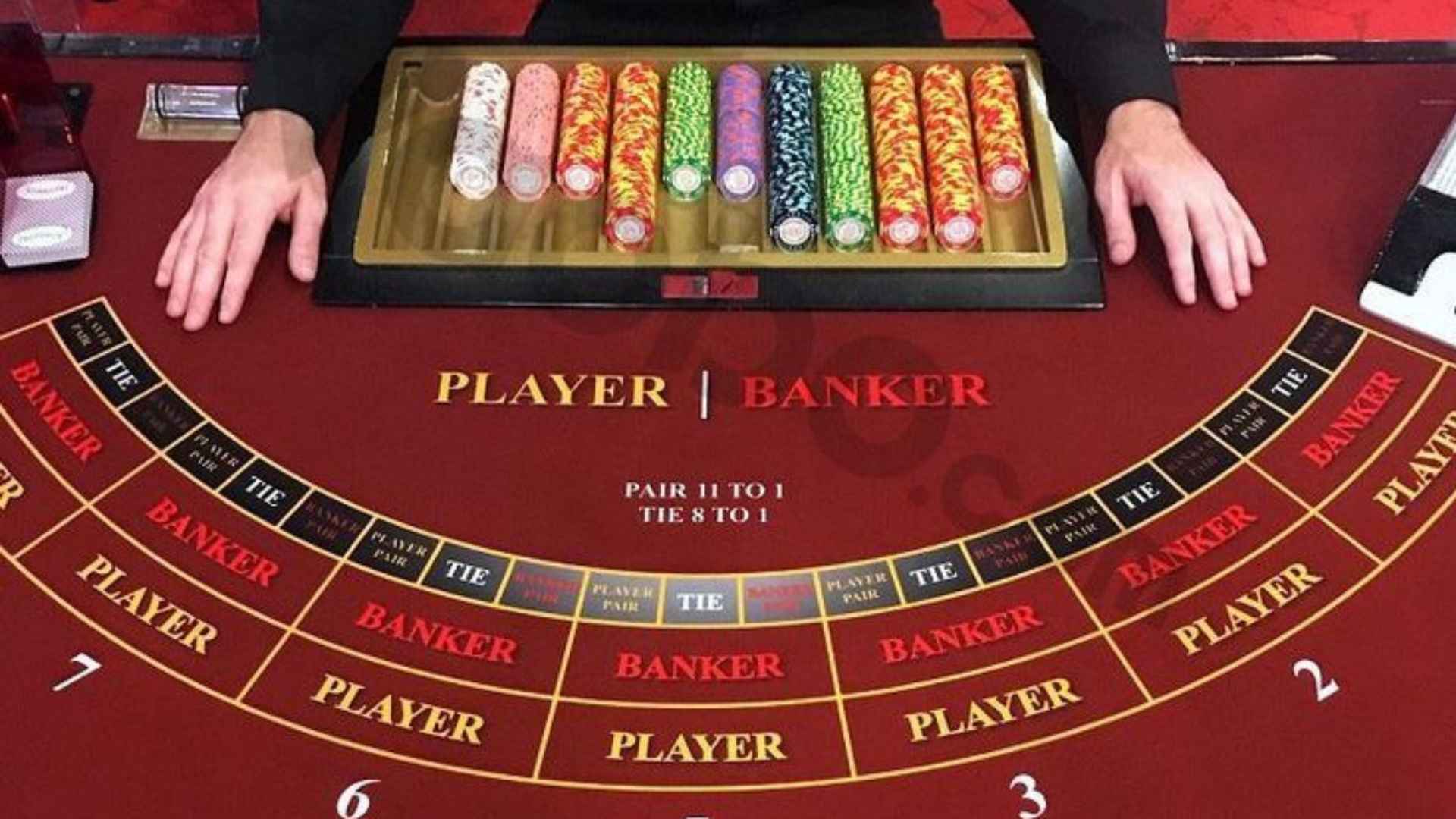
Baccarat has transformed from an exclusive pastime enjoyed in European salons into a dynamic cornerstone of modern gaming worldwide. While the foundational principles of comparing hands remain steady, innovative rule twists and structural modifications have birthed several unique versions across different continents. Embracing these contemporary alternatives allows players to explore fresh strategic horizons and find the ideal table dynamic for their personal geographic preferences.
The European Legacy and Traditional Structure
In traditional European card rooms, the game often emphasizes direct player participation and slower, more methodical setups. Variants like Chemin de Fer require participants to take turns acting as the banker, directly financing the table wagers and making active decisions on whether to draw a third card. This classic environment fosters a highly social atmosphere where regional customs and psychological strategies dictate the flow of the session.
Conversely, many upscale continental venues still favor Baccarat Banque, which features a more permanent banking framework often determined by financial auctions. This formal setup appeals directly to traditional high rollers who prefer a sophisticated pacing and extended tactical engagements over rapid outcomes. European gameplay continues to stand as a testament to historical table rituals and deliberate gaming philosophies.
The Asian Evolution and High Paced Rituals
As the card game migrated into major Asian gaming hubs, the operational rhythm experienced a massive structural shift toward efficiency and speed. Most eastern venues completely eliminate player-banked mechanics in favor of standard casino-administered formats like Punto Banco. This allows the house to manage all card distributions automatically, maximizing the volume of hands completed during a single afternoon.
Furthermore, unique localized sub-variations such as No Commission Baccarat or Super 6 emerged to simplify the traditional payout structures and eliminate mathematical calculations for the dealer. Players in these environments heavily incorporate visual tracking trends and custom ritualistic card-squeezing techniques to enhance the shared excitement. This unique combination of rapid-fire mechanical execution and vibrant cultural traditions defines the modern eastern aesthetic.
The Digital Transition and Global Accessibility
The rise of digital casino platforms has broken down physical geographical boundaries, allowing global audiences to access diverse regional formats seamlessly. Modern internet operators leverage interactive user interfaces and high-definition live dealer studios to present both classic and modern variations simultaneously. Casual enthusiasts can easily transition between a fast-paced automated layout and an authentic real-time European setup with minimal effort.
Online spaces have also introduced hybrid innovations like lightning editions or virtual micro-stakes tables that cater to contemporary entertainment preferences. For instance, players looking for diverse interactive entertainment options might explore reliable platforms like wd boss slot before testing their tactical skills at a virtual baccarat layout. This vast digital ecosystem ensures that any participant can find a custom temporal flow that perfectly complements their individual risk tolerance and playing style.