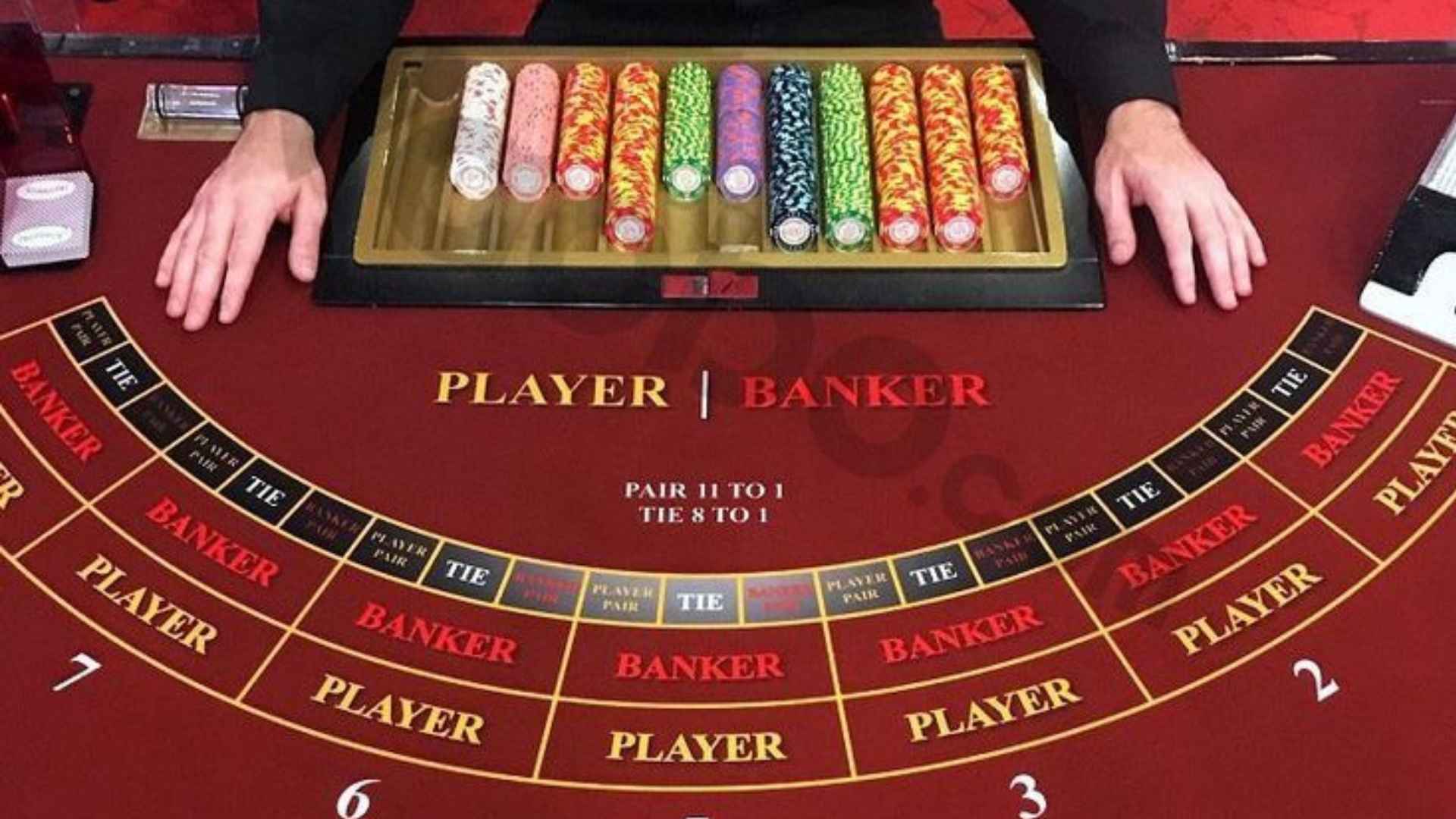
Enduring a extended period without receiving playable starting hands can test even the most experienced card players. Known as a card drought, this psychological test challenges patience, emotional control, and strategic discipline over long gaming sessions. Understanding how the human brain processes this lack of action is essential for maintaining long-term focus and preventing costly tactical errors.
The Onset of Cognitive Fatigue and Impatience
When premium hands fail to arrive for hours, the brain naturally begins to experience boredom and reduced dopamine stimulation. This absence of excitement triggers an internal impulse to force action, making weak starting cards appear deceptively playable. Recognizing this subtle psychological shift helps players resist the urge to abandon their core strategies prematurely.
As patience wears thin, decision-making quality often declines without the player immediately noticing. The frustration of sitting idle for extended periods encourages risky plays simply to participate in active pots. Maintaining acute awareness during these slow stretches is crucial for preserving your stack and overall mental composure.
The Illusion of Impending Good Fortune
During a severe card drought, human psychology frequently succumbs to the gambler's fallacy, believing that a strong hand is overdue. Players often convince themselves that mathematical probability guarantees an immediate turnaround after a series of poor holdings. In reality, each deal remains an independent event unaffected by previous results.
Understanding this independence allows strategists to evaluate every scenario purely on its current merits rather than emotional expectations. Many enthusiasts who study strategic discipline across online gaming environments like m88 - m thể thao emphasize the importance of maintaining an objective, probability-based mindset. Accepting that variance operates without memory prevents costly mistakes driven by false optimism.
Overcoming the Traps of Quiet Frustration
Unspoken irritation caused by inactive periods can quietly erode a player's analytical framework. This subtle form of mental strain leads to playing out of position or over-calibrating bluffs against attentive opponents. Identifying early physical or mental indicators of irritation helps players reset their focus before compounding previous losses.
Developing personal routines to maintain engagement while folding repeatedly keeps the mind active without taking unnecessary financial risks. Observing opponents' betting patterns and timing tells during folded hands turns downtime into valuable information gathering. This constructive re-direction transforms boring card droughts into productive analytical opportunities.
Building Long-Term Strategic Endurance
Mastering the mental aspect of a prolonged dry spell separates disciplined competitors from casual enthusiasts. Accepting variance as an inevitable component of card games builds deep emotional resilience over thousands of hands. Players who remain steady during difficult stretches protect their capital and capitalize fully when momentum finally shifts.
Ultimately, a card drought serves as the ultimate benchmark for testing personal self-control and tactical maturity. By viewing quiet sessions through a lens of long-term strategy rather than short-term entertainment, players ensure sustainable performance. Cultivating this calm perspective transforms difficult periods into valuable training for overall decision-making excellence.